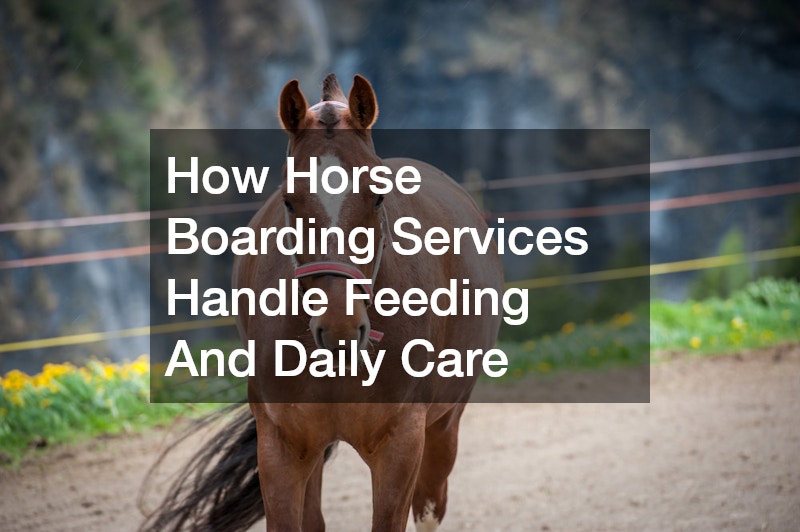
Horse boarding services play a crucial role in maintaining the overall well-being of horses. These facilities provide a structured environment where horses receive the nutrition and care they need on a daily basis. Proper feeding and care are vital for the health and happiness of horses, and boarding services offer peace of mind to horse owners.
By entrusting their horses to professional care, owners can ensure their equines are living in optimal conditions. This article explores the intricacies of feeding routines, daily care practices, cost factors, and how horse owners can choose the right boarding facility for their equine companions.
1. What Are the Feeding Routines of Horse Boarding Facilities?
Horse boarding facilities typically follow strict feeding schedules to accommodate the dietary needs of their residents. Horses are natural grazers, and their feeding routine often includes multiple small meals throughout the day to mimic their natural eating habits. The nutritional requirements of horses vary depending on their age, breed, activity level, and health status, necessitating tailored feeding programs. Many facilities employ nutritionists to develop balanced meal plans rich in essential nutrients, such as fibers, proteins, and vitamins. Additionally, any adjustments in feeding are made in coordination with veterinarians to ensure the horses’ dietary plans promote optimal health and prevent colic or other digestive issues.
2. How Do Horse Boarding Services Ensure Proper Care for Horses?
Beyond feeding, horse boarding services provide extensive daily care to maintain the physical and mental well-being of horses. This includes regular grooming to promote hygiene, improve skin health, and strengthen the bond between horses and caregivers. Grooming routines vary depending on the horse’s coat type, activity level, and the climate but generally include brushing, hoof cleaning, and mane management. Additionally, this hands-on care allows caregivers to detect any health concerns early, such as skin conditions or injuries. Proper grooming plays a significant role in the overall maintenance of a horse’s health and comfort.
Regular exercise is another critical component of daily care offered at boarding facilities. Horses typically require varied levels of physical activity based on their age, condition, and breed. Boarding centers may provide pastures for grazing and free movement, as well as structured physical programs like riding or training sessions. These activities help to maintain muscle tone and cardiovascular health and enhance the mental well-being of the horses. Structured exercise programs can also be tailored for specific needs, such as rehabilitation exercises for horses recovering from injuries.
3. What Factors Influence the Cost of Horse Boarding Services?
The cost of horse boarding services can vary vastly based on several determining factors. Location is a primary consideration; facilities located in urban areas or regions with higher costs of living typically charge more for their services. The quality and scope of care provided also heavily influence pricing, with premium services offering specialized feeding programs, extensive facilities, and personalized care plans. Boarding centers with advanced amenities such as indoor arenas or individualized paddocks might charge higher rates due to the additional maintenance and staffing required. Furthermore, personnel expertise, such as experienced trainers or nutritionists, can also elevate service costs significantly.
The type of boarding arrangement selected also impacts cost, with full-care board being more expensive compared to partial care or self-care arrangements. In full-care boarding, facilities manage every aspect of the horse’s diet and daily care, while in partial or self-care, owners are responsible for certain tasks. Consequently, full-care ensures comprehensive service provision but comes at a premium. Additional services such as training, farrier visits, or veterinary care may be charged separately, contributing further to the overall cost. Some facilities offer packages that combine multiple services at discounted rates, providing value for owners seeking extensive care for their horses.
4. How Can Horse Owners Choose the Right Boarding Facility?
Choosing the right horse boarding facility requires careful evaluation of several key aspects to ensure a good fit for the horse’s needs. One primary consideration is the daily care and feeding routines of the facility. Horse owners should inquire about the feeding schedules, types of feed used, and any special dietary accommodations they offer. Evaluating the qualifications and experience of the staff managing daily care is crucial, as it influences the quality of overall care provided. It’s advisable for owners to visit potential facilities in person to observe operations and meet with staff members, ensuring a secure and nurturing environment is maintained.
Horse boarding services encompass a broad range of feeding and daily care practices essential for maintaining the welfare of horses. Facilities offer structured feeding routines tailored to individual dietary needs while implementing comprehensive care procedures ensuring horses are healthy, safe, and content. Cost considerations vary across services; however, understanding the elements influencing pricing can guide owners to choices that suit their financial and care priorities. Furthermore, choosing the right facility is crucial and involves assessing feeding routines, staff expertise, and facility resources, ensuring they align with the equine’s needs. Ultimately, thoughtful decision-making in selecting boarding services contributes significantly to the long-term health and happiness of horses.