Marine lifts are designed to move boats and other heavy equipment safely, but their performance depends heavily on proper rigging. When lifting equipment is incorrectly configured, even a capable system can experience unnecessary strain, instability, or uneven loading. Proper planning and equipment selection are especially important when working around docks, marinas, and other waterfront environments. A qualified crane service can help ensure that lifting operations are approached with the appropriate equipment and procedures. Understanding how improper rigging affects marine lifts can help property owners, operators, and crews recognize why careful preparation matters.
Small rigging mistakes can create larger mechanical and safety concerns during a lift. Regular inspections and professional oversight can also help identify problems before they affect an operation. Proper rigging should therefore be treated as a fundamental part of every marine lifting project.
Understanding The Role Of Proper Rigging
Rigging connects the load to the lifting equipment and helps distribute forces during the operation. Every component must be appropriate for the weight, dimensions, and configuration of the load being moved. Slings, shackles, hooks, spreader bars, and other components all have specific capacities and applications. Using the wrong component can create excessive stress or prevent the load from remaining balanced. Proper rigging also requires understanding how the load will react as it leaves the ground or water. Experienced crews consider the lifting points and the center of gravity before beginning the operation. This preparation helps reduce unexpected movement during the lift. Careful rigging provides a foundation for controlled and predictable marine lifting work.
Preventing Uneven Load Distribution
Marine equipment and vessels do not always have evenly distributed weight. Their shape, machinery, fuel, water, and other components can shift the center of gravity away from the geometric center. If rigging does not account for this distribution, one side of the load may carry more force than another. Uneven loading can place unnecessary stress on lifting components and the marine lift itself. It can also cause the vessel to tilt or move unexpectedly while being raised. Proper placement of lifting points helps distribute the load more effectively. Crews should evaluate the vessel’s configuration before selecting and positioning rigging equipment. Balanced loading helps reduce unnecessary strain throughout the lifting process.
Choosing Appropriate Rigging Equipment
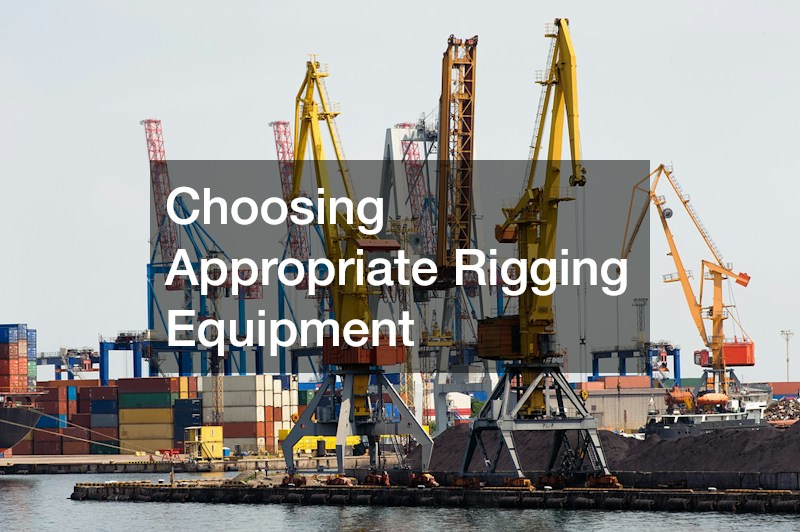
Different lifting operations require different types and configurations of rigging equipment. A component that works well for one vessel may not be suitable for another. Weight capacity, sling length, attachment points, environmental conditions, and load shape all influence equipment selection. Rigging components must also be inspected for visible wear, deformation, corrosion, or other damage before use. Marine environments can accelerate deterioration because equipment may be exposed to moisture and salt. Using damaged or unsuitable components can increase the likelihood of equipment failure. Proper equipment selection should therefore be based on the specific requirements of the lift rather than convenience. Matching each component to the job supports safer and more reliable lifting operations.
Accounting For Marine Environmental Conditions
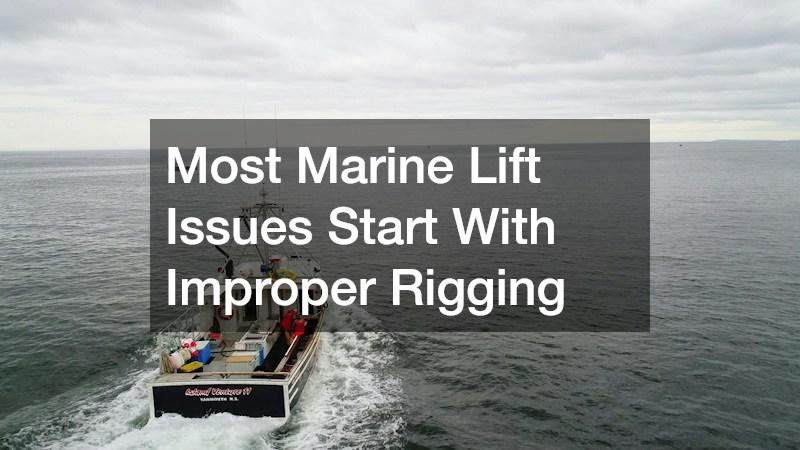
Waterfront lifting operations present environmental challenges that may not exist in other work settings. Wind, waves, current, rain, and changing weather can affect how a suspended load moves. These forces may increase the difficulty of maintaining control during a lift. Improperly rigged loads can become even harder to manage when environmental conditions change. Crews should consider the location and expected conditions before beginning lifting operations. Securing the work area and establishing clear communication can also help reduce unnecessary movement. When conditions become unsafe, delaying the lift may be the appropriate decision. Accounting for the marine environment helps crews prepare for factors that can affect load stability.
Inspecting Rigging Before Every Lift
Pre-lift inspections provide an important opportunity to identify problems before equipment is placed under load. Crews should examine slings, hooks, shackles, connections, and other components for damage or abnormal wear. They should also confirm that components are properly connected and positioned. An inspection can reveal issues that may not have been obvious during previous operations. Rigging that has been exposed to harsh marine conditions may require particularly careful examination. Any component that appears damaged or unsuitable should be removed from service until it can be properly evaluated. Inspections should be performed by qualified personnel who understand the equipment and lifting requirements. Taking time to inspect rigging can help prevent avoidable problems during the lift.
Avoiding Common Rigging Mistakes
Several basic mistakes can compromise a marine lifting operation. Using incorrect attachment points, exceeding equipment capacities, and failing to account for the center of gravity can all create unnecessary risks. Improper sling angles can also increase the forces placed on individual rigging components. Crews may also encounter problems when communication between operators and ground personnel is unclear. Rushing through setup can make it easier to overlook one of these issues. Establishing a consistent pre-lift process helps crews identify potential problems before the operation begins. Proper training can further reduce the likelihood of repeated rigging mistakes. Avoiding these common errors supports better control and more predictable lifting performance.